POMI-T® — A POLYPHENOL FORMULA WITH SOMETHING RARE: PUBLISHED PROOF
Four whole foods. One capsule. The complete formula — not just individual ingredients — evaluated in a peer-reviewed, double-blind, placebo-controlled human study. Chosen by thousands of men and women across the UK as part of their proactive wellness routine.
POMI-T® — A POLYPHENOL FORMULA WITH SOMETHING RARE: PUBLISHED PROOF
Four whole foods. One capsule. The complete formula — not just individual ingredients — evaluated in a peer-reviewed, double-blind, placebo-controlled human study. Chosen by thousands of men and women across the UK as part of their proactive wellness routine.
POMI-T® — A POLYPHENOL FORMULA WITH SOMETHING RARE: PUBLISHED PROOF
Four whole foods. One capsule. The complete formula — not just individual ingredients — evaluated in a peer-reviewed, double-blind, placebo-controlled human study. Chosen by thousands of men and women across the UK as part of their proactive wellness routine.
The Original Clinically Studied Polyphenol Formula
Pomi-T® brings together pomegranate, green tea, broccoli, and turmeric in one vegetarian capsule — delivering a broad range of naturally occurring polyphenols from four complementary whole-food sources.
Built by a research team, not a marketing department. Each ingredient was chosen by a panel of doctors, scientists, and nutritionists for its unique polyphenol profile. The goal was a synergistic formula where four ingredients work together — not just four ingredients thrown into one capsule.
Then they put it to the test. The complete Pomi-T formula was evaluated in a randomised, double-blind, placebo-controlled study — and the results were published in a peer-reviewed medical journal for anyone to read.
Most supplements point to research on individual ingredients. This study tested the actual product.
199 participants enrolled
6 months study duration
Double-blind & placebo-controlled
Peer-reviewed & published
The complete Pomi-T® formula was evaluated in a randomised, double-blind, placebo-controlled study — widely considered the gold standard of clinical research.
The study found a statistically significant difference between the Pomi-T group and the placebo group (p<0.001) — meaning there’s less than a 1-in-1,000 chance the result was due to random variation.†
Results were published in a peer-reviewed medical journal and presented at a major international medical conference.
Don’t just take our word for it. The full study is publicly available.
†Full study details are available in the published scientific literature. Pomi-T® is a food supplement. It is not intended to diagnose, treat, cure, or prevent any disease.
“I’d been reading about polyphenols for a while and was taking turmeric and green tea capsules separately. When I found Pomi-T and saw it had an actual published clinical study — not just claims about individual ingredients — I switched. Two capsules a day instead of juggling three bottles. Much more straightforward.”
David H. — Verified Buyer
Nottingham, UK
★★★★☆
“I wanted a polyphenol supplement I could actually verify myself, so I looked up the study on PubMed before ordering. The research is genuine and publicly available — that’s what convinced me. Delivery was quick, well-packaged, and the capsules are easy to take with food. Four stars only because I’m still on my first bottle, so early days.”
Margaret T. — Verified Buyer
Edinburgh, UK
★★★★★
“My wife and I both take Pomi-T as part of our daily routine. I was sceptical at first — most supplements don’t have much behind them — but this one has a proper double-blind study, which is rare. We’re on our third 6-month order now. Good value when you buy in bulk.”
Andrew P. — Verified Buyer
Bristol, UK
Most customers start with 6 bottles — here’s why
The published study lasted 6 months. Choose the course that works for you.
1 Month
£24
99
/ Bottle
Try your first bottle
Only £0.83/day
Total £24.99
3 Months
£21
99
/ Bottle
Build the habit
Save £9.00 (12%)
Only £0.73/day
Total £65.97
6 Months
£19
99
/ Bottle
Match the study duration
Save £30.00 (20%)
Only £0.67/day
Total £119.94
★ MOST POPULAR
12 Months
£17
99
/ Bottle
Commit long-term
Save £84.00 (28%)
Only £0.60/day
Total £215.88
★ SAVE MORE
18 Months
£16
99
/ Bottle
Maximum savings
Save £144.00 (32%)
Only £0.57/day
Total £305.82
★ SAVE MOST
Each bottle contains 60 capsules — a full 30-day supply at 2 capsules per day. That’s less than a cup of coffee a day for a formula backed by published research. ✓ Free UK & international delivery on qualifying orders ✓ Ships within 1 business day ✓ No hidden fees for US, UK & EU orders
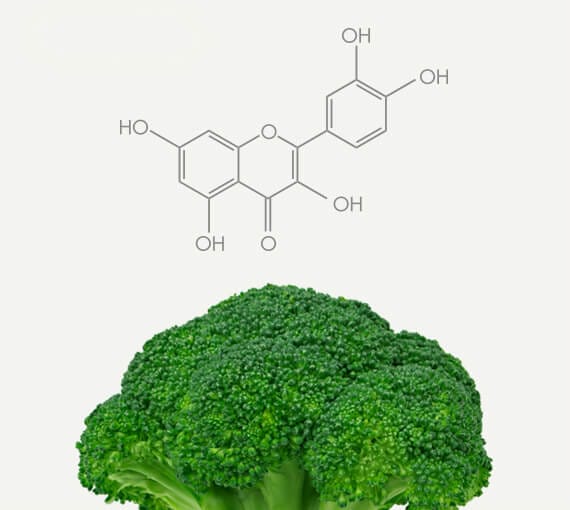
Broccoli
The leafy florets and stalks of broccoli are known to contain isothiocyanate and sulforaphane.
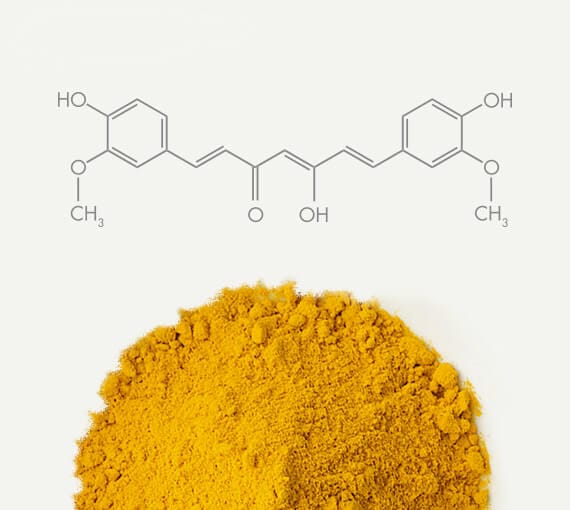
Curcumin gives turmeric its vibrant yellow colouring. For centuries, turmeric root has been acclaimed for its properties and it has been subject of many studies in the last few years.
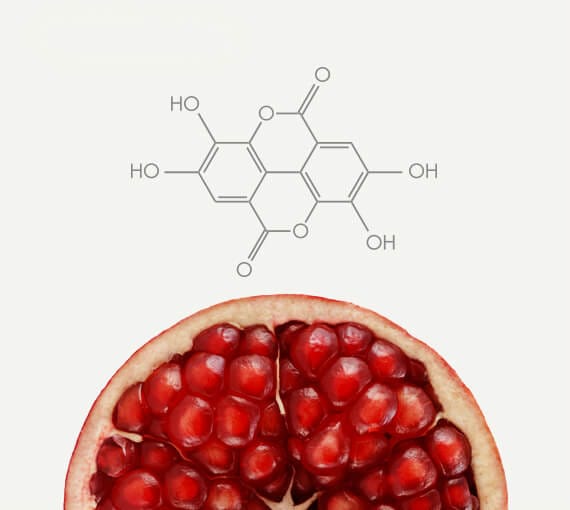
We don't just use pomegranate juice, we also include parts you don't usually eat — the skin and seeds, which contain ellagic acid, a natural polyphenol.
Isothiocyanate and its metabolite sulphoraphane are derived from the breakdown of sulfur-containing compounds found in cruciferous vegetables. Evidence reported in some publications indicates that isothiocyanate and sulforaphane are among the most widely researched naturally occurring compounds in cruciferous vegetables(1).
References
Wu, X, et al. Acta Pharmacologica Sinica. 2009; 30(5): 501.
Turmeric Polyphenol
Turmeric (Curcuma Longa)
As reported by several publications, curcumin is one of the most extensively studied polyphenols in the scientific literature, with interest in its role as part of a varied diet(1).
References
Gonzalez-Reyes S, et al. Oxidative Medicine and Cellular Longevity. 2013; article ID 801418.
Pomegranate Polyphenol
Pomegranate (Punica Granatum)
The pomegranate skin contains the highest content of polyphenols in the fruit. It contains a type of polyphenol called ellagitannins. Ellagitannins are hydrolysed to ellagic acid in the gut. Pomegranate also contains other polyphenols, such as anthocyanins and flavanols(1).
References
Turrini F, et al. Oxidative Medicine and Cellular Longevity. 2015; article ID 938475
Green Tea Polyphenol
Green Tea (Camellia Sinensis)
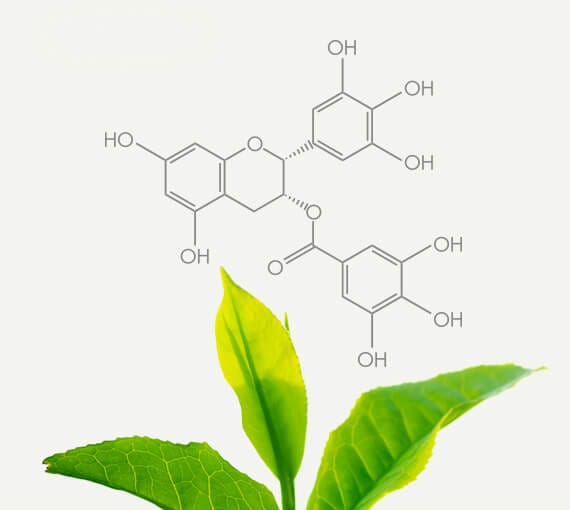
Green tea catechins, including EGCG, are among the most widely researched polyphenol compounds in nutritional science(1).
References
Du GJ, et al. Nutrients. 2012; 4: 1679-1691.
Why Polyphenols Matter
The naturally occurring plant compounds backed by thousands of published studies
Polyphenols are naturally occurring compounds found in fruits, vegetables, tea, and spices. They’re one of the most actively researched areas in nutritional science, with thousands of published studies exploring how they interact with the human body.
Here’s the challenge: getting a consistent, meaningful intake from food alone isn’t easy. Polyphenol levels vary by season, ripeness, processing method, and even how you cook your food.
That’s where Pomi-T® comes in. Four polyphenol-rich whole foods — pomegranate, green tea, broccoli, and turmeric — in a consistent daily dose, selected by scientists for their complementary polyphenol profiles.
Nothing to Hide: How Pomi-T® Is Made
Tested beyond what's required
Every single batch is independently analyzed for pesticides, heavy metals, and aflatoxins — even when suppliers have their own certificates on file. We don't cut corners.
No hidden ingredients
What's on the label is exactly what's in the capsule. No additives.
Sourced with care
Every ingredient comes from trusted, established suppliers with documented growing conditions and origin.
Consistent from bottle to bottle
Same formula. Same ratios. Same quality — whether it's your first bottle or your fiftieth.
Watch How Pomi-T® Is Made:
Frequently Asked Questions
Everything you need to know before starting Pomi-T®
How do I take Pomi-T®?
The recommended daily intake is 2 capsules with food. You may increase to 4 capsules daily. Each bottle contains 60 capsules — a full 30-day supply at the standard dose.
Why do most customers choose the 6-month option?
The published clinical study evaluated Pomi-T® over a 6-month period. Many customers choose to match this duration to follow the same protocol used in the research. The 6-bottle option also includes a 20% discount.
Is Pomi-T® suitable for vegetarians?
Yes. Pomi-T® uses vegetable cellulose capsules and contains no animal-derived ingredients. It is also free from additives, preservatives, artificial colours, soy, gluten, dairy, and GMOs.
How is Pomi-T® shipped in the UK?
All UK orders are shipped promptly. Delivery times vary by location. Free delivery is available on qualifying orders. All prices include VAT.
Where can I read the published study?
The full study is publicly available on PubMed, the US National Library of Medicine database. You can access it directly from our homepage by clicking “Read the Study on PubMed” in the Published Study section.
Eileen Kaner, MSc, PhD, Hon FRCP gives an overview of a session focusing on nutritional lifestyle behaviours presented at the 2015 National Cancer Research Institute (NCRI) Conference. The session outlines current epidemiological and behavioural evidence on the relationship between different lifestyle choices and overall wellbeing.
Expert perspectives
Stacey Kenfield, DSc gives an overview of her talk at the 2015 NCRI Conference. Dr. Kenfield discusses how lifestyle factors, including physical activity and diet rich in polyphenols, are an active area of nutritional research.
Lifestyle behaviours and wellbeing (European Medical Journal)
Nutritional lifestyle changes
Eileen Kaner, MSc, PhD, Hon FRCP gives an overview of a session focusing on nutritional lifestyle behaviours presented at the 2015 National Cancer Research Institute (NCRI) Conference. The session outlines current epidemiological and behavioural evidence on the relationship between different lifestyle choices and overall wellbeing.
Lifestyle factors and nutritional research (European Medical Journal)
Expert perspectives
Stacey Kenfield, DSc gives an overview of her talk at the 2015 NCRI Conference. Dr. Kenfield discusses how lifestyle factors, including physical activity and diet rich in polyphenols, are an active area of nutritional research.
Pomi-T® — The Original Clinically Studied Polyphenol Formula | Free UK & international delivery on course orders